
Our Better World
search feature
Project timeline
2023
Tags
Our Better World (OBW) is the digital storytelling platform by the Singapore International Foundation, dedicated to showcasing stories of individuals and organisations creating positive social impact across Asia.
the problem
Initial observations indicate low engagement with the search feature, as users are unsure what to search for. This is validated by product analytics, while marketing stakeholders seek to leverage search to promote relevant events.
HYPOTHESIS
If the search experience provides guidance and inspiration (such as suggested articles, trending topics, or recent searches), users will feel more confident initiating a search, leading to increased engagement and successful discovery.
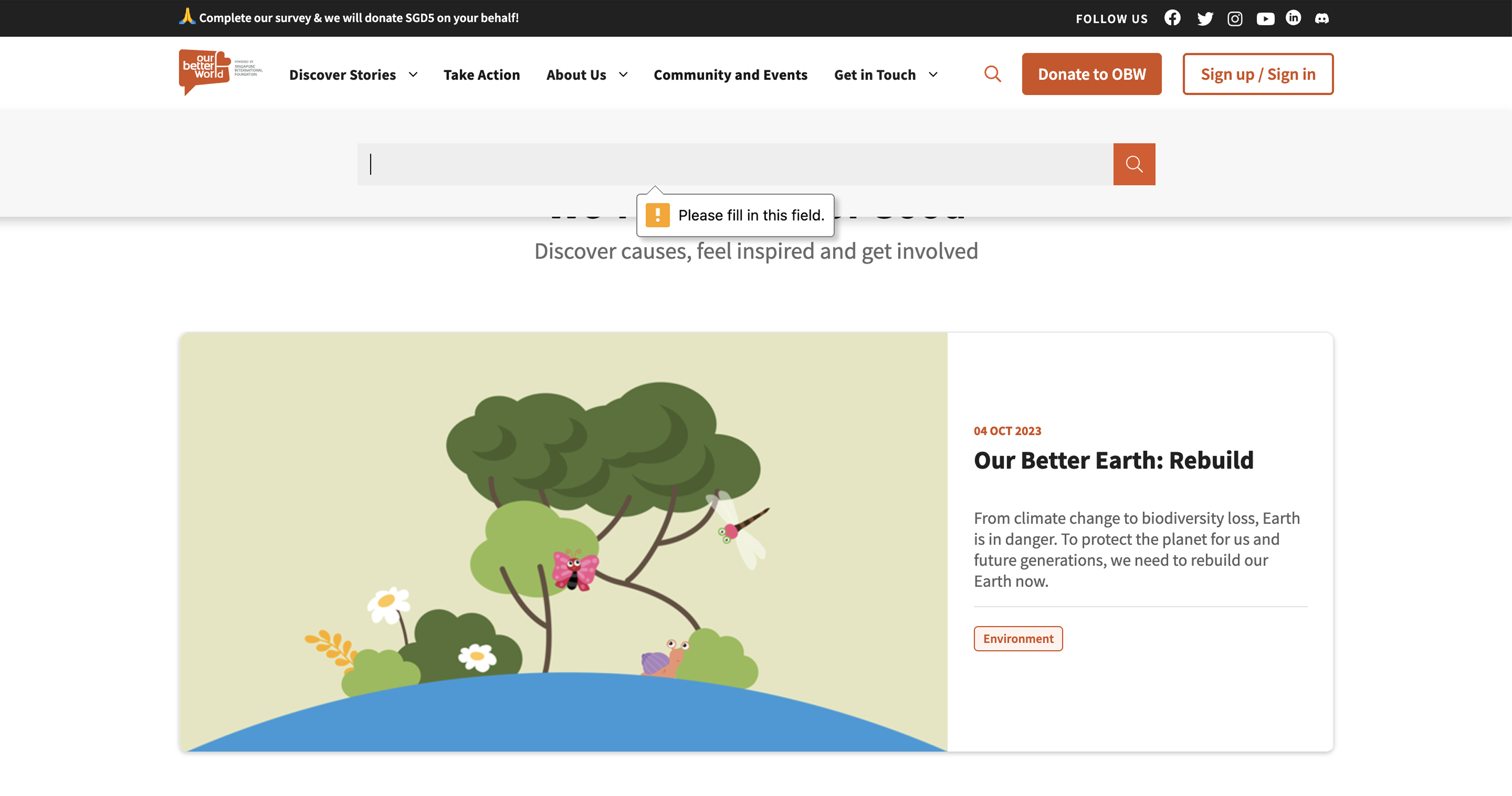
Previous search result – Default state
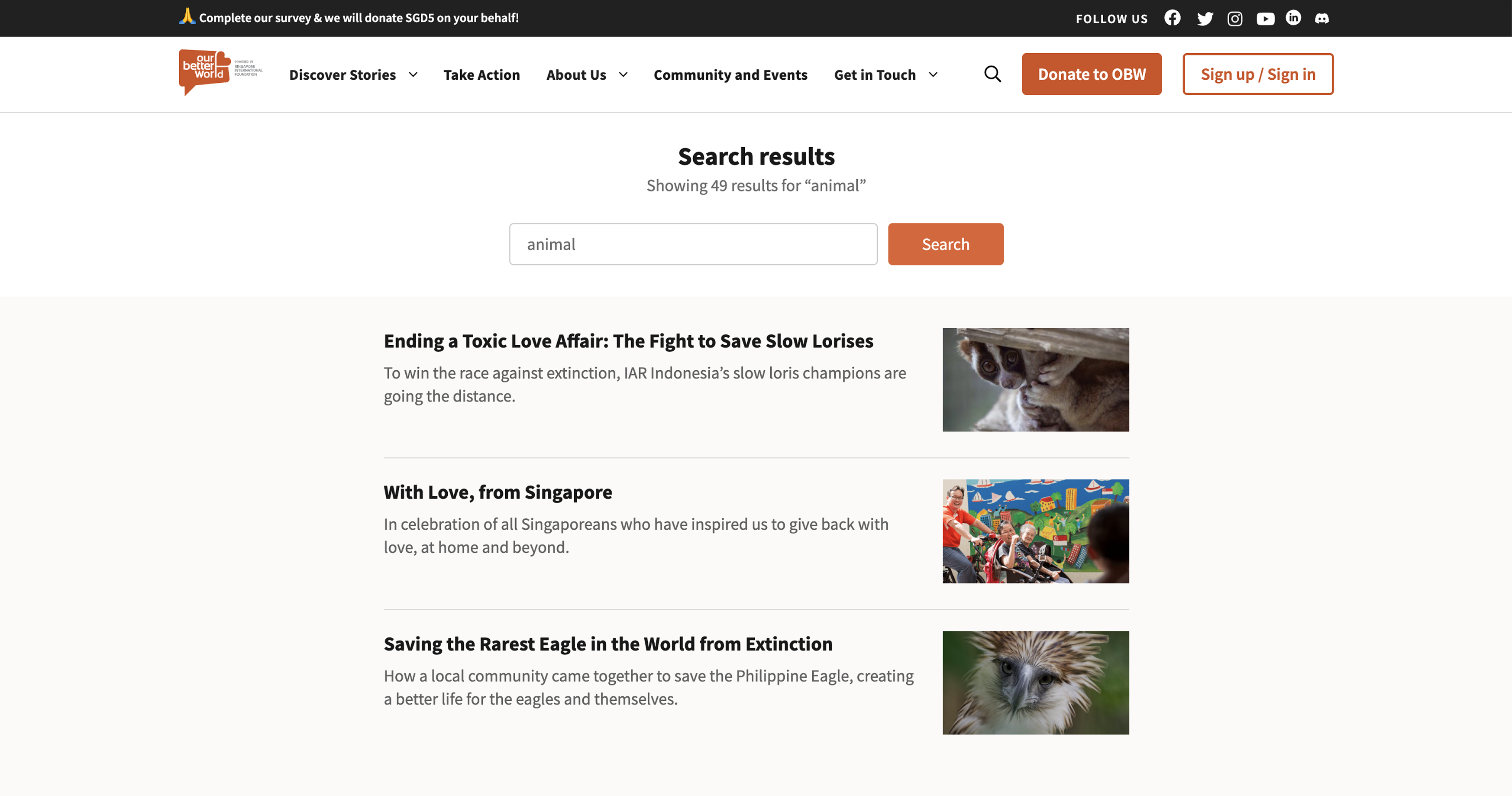
Previous search results – Filled state
ideating & challenging assumptions
• What if we breakdown the search results into categorised results?
• How might we transform search from a basic utility into a discovery tool?
• How might we make a "No results found" page actually helpful instead of a dead end?
• How can we optimize the visual hierarchy and relevance of search results to increase the Click-Through Rate (CTR)?
• What does the user see before they type? (e.g. Recent Searches)
• How might we transform search from a basic utility into a discovery tool?
• How might we make a "No results found" page actually helpful instead of a dead end?
• How can we optimize the visual hierarchy and relevance of search results to increase the Click-Through Rate (CTR)?
• What does the user see before they type? (e.g. Recent Searches)
Iteration #01
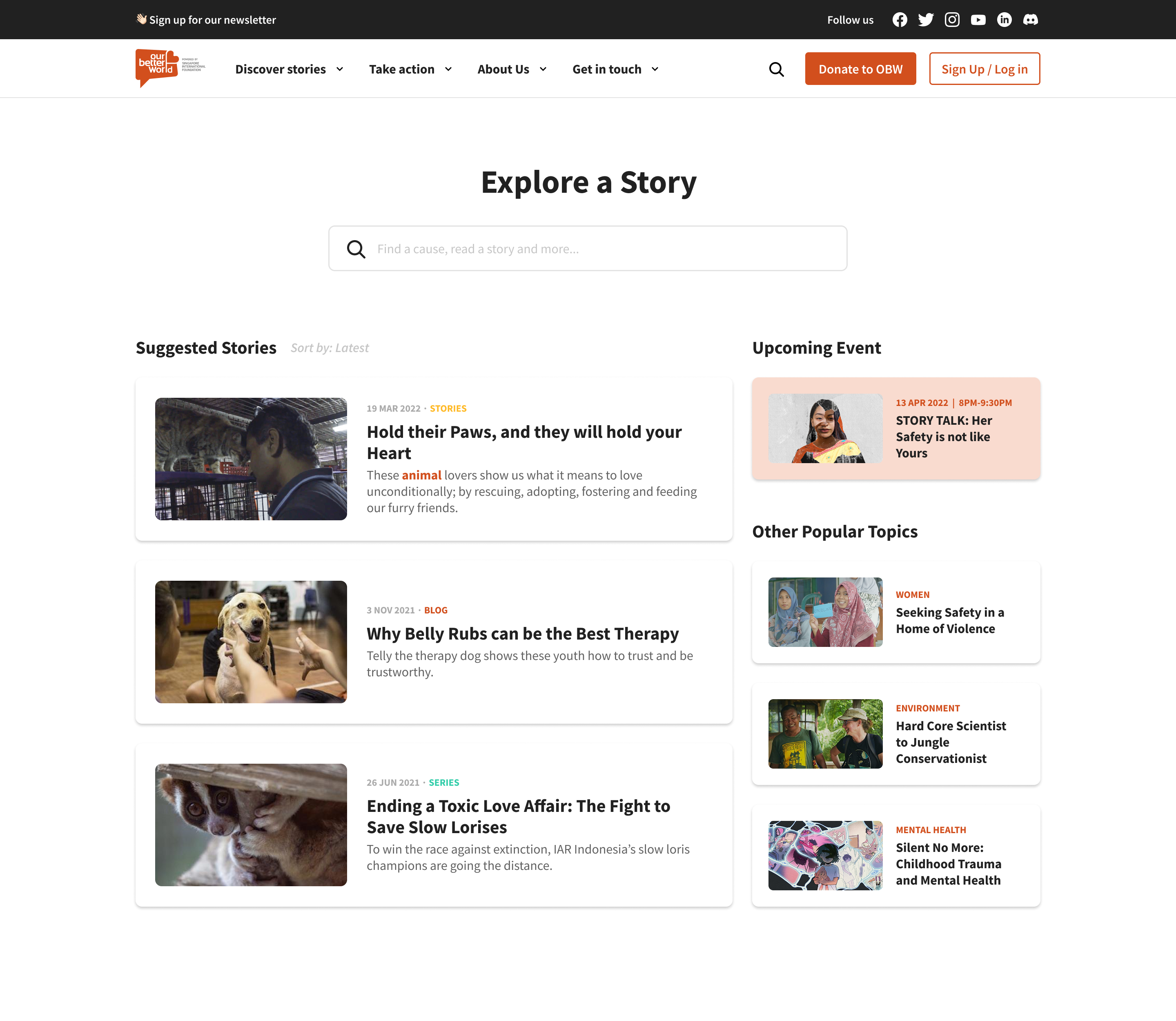
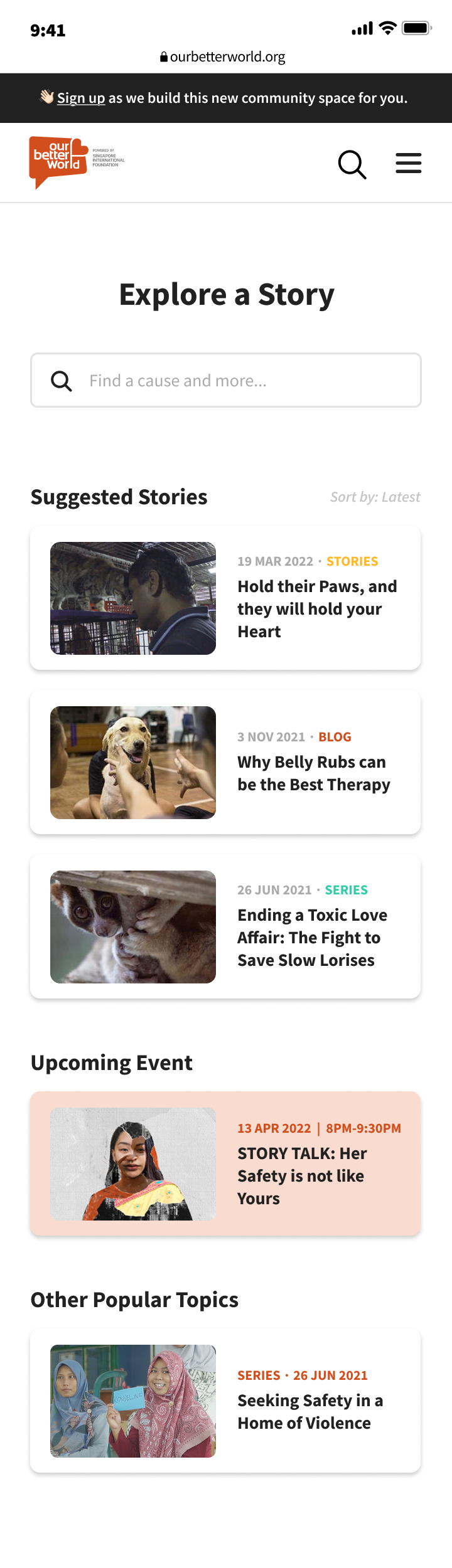
#01 Search results – Default state
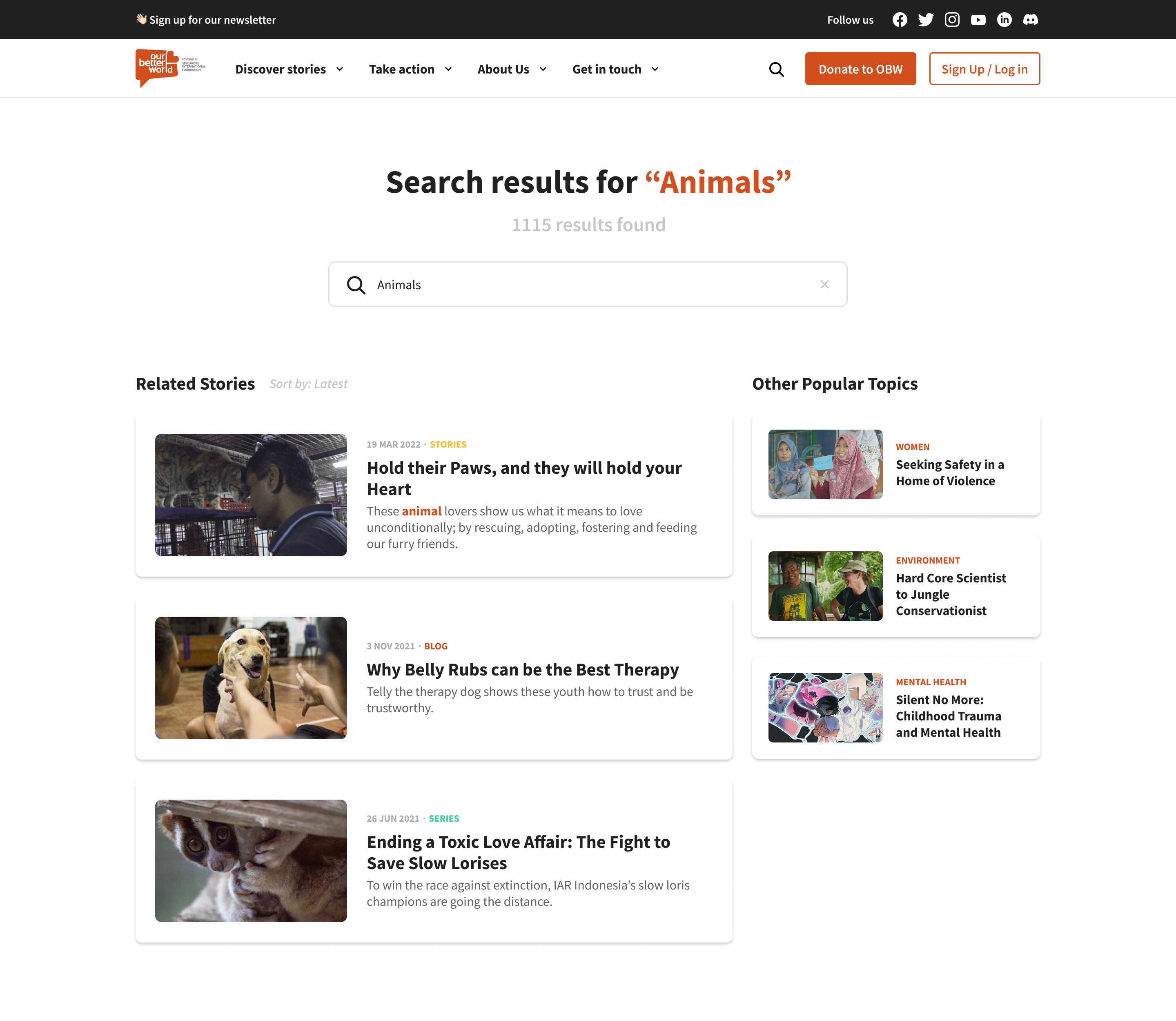
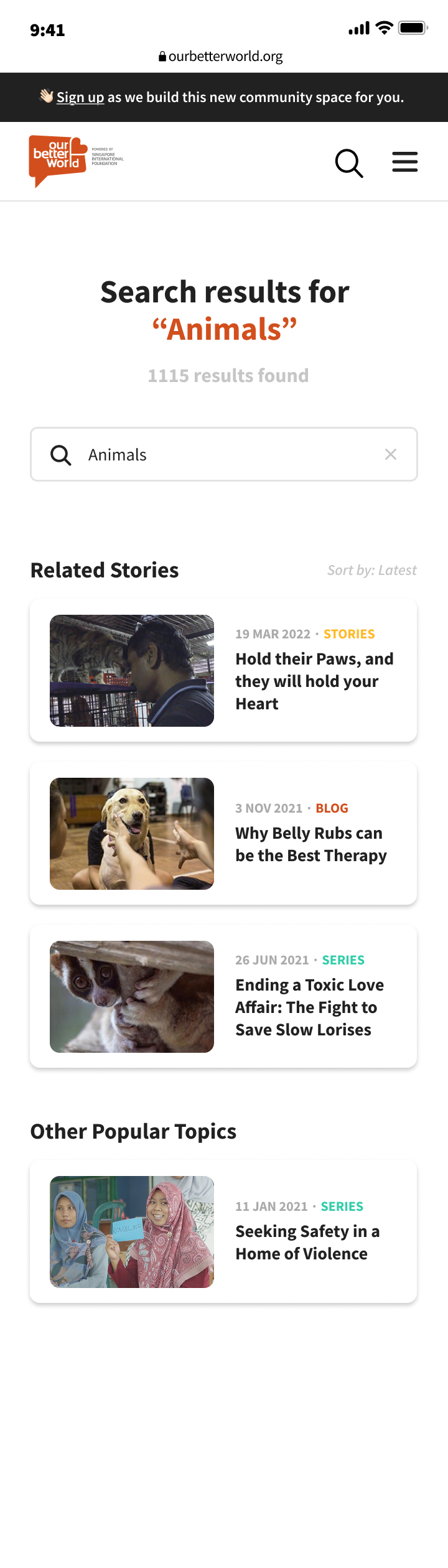
#01 Search results – Filled state
Iteration #02
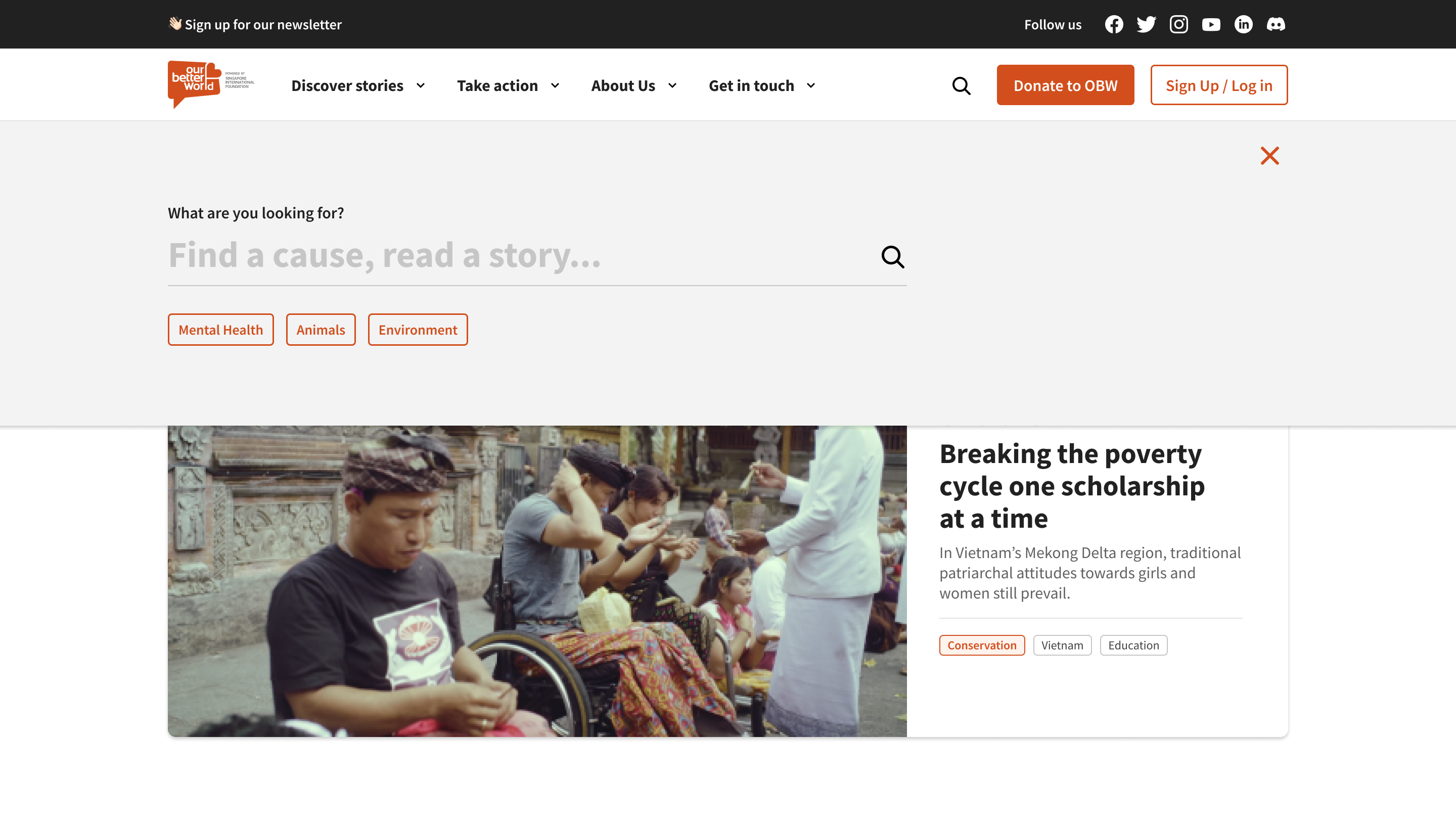
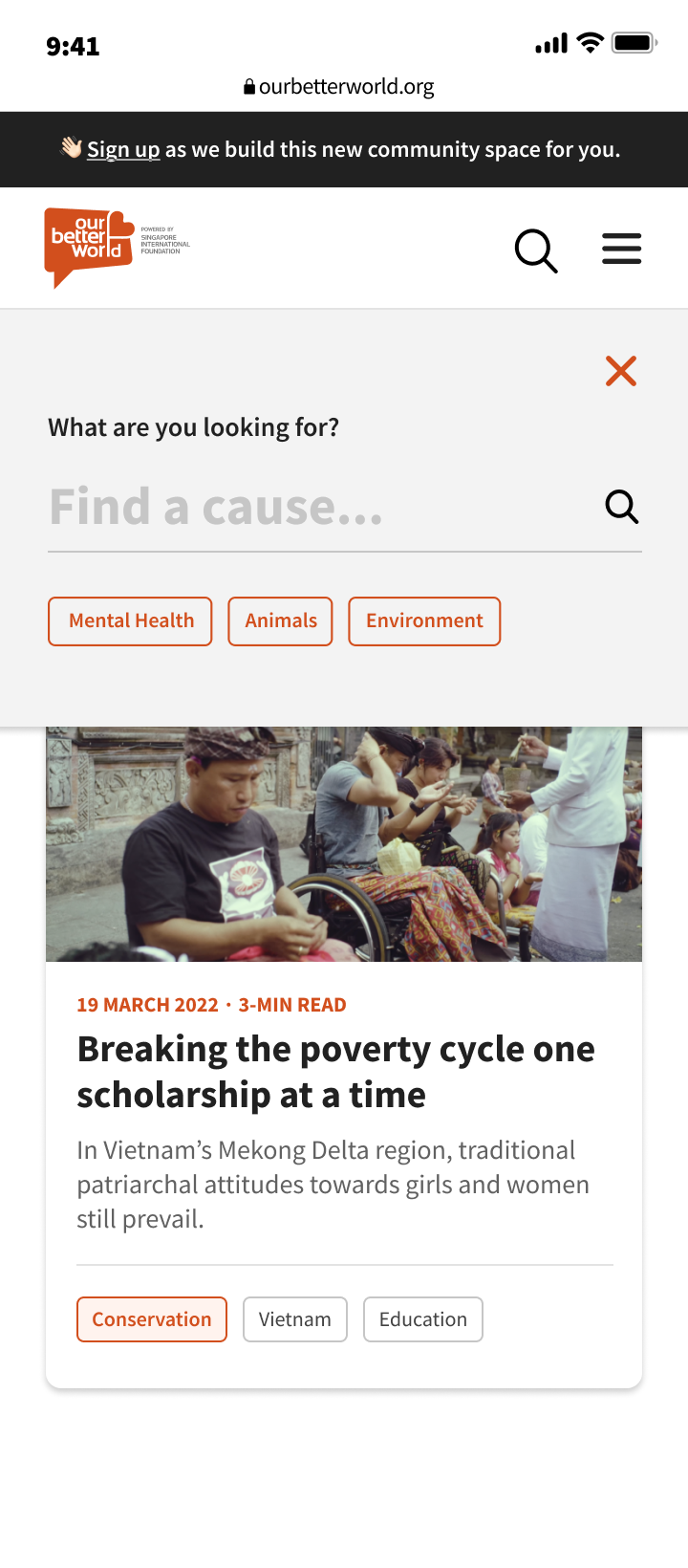
#02 Search results – Default state
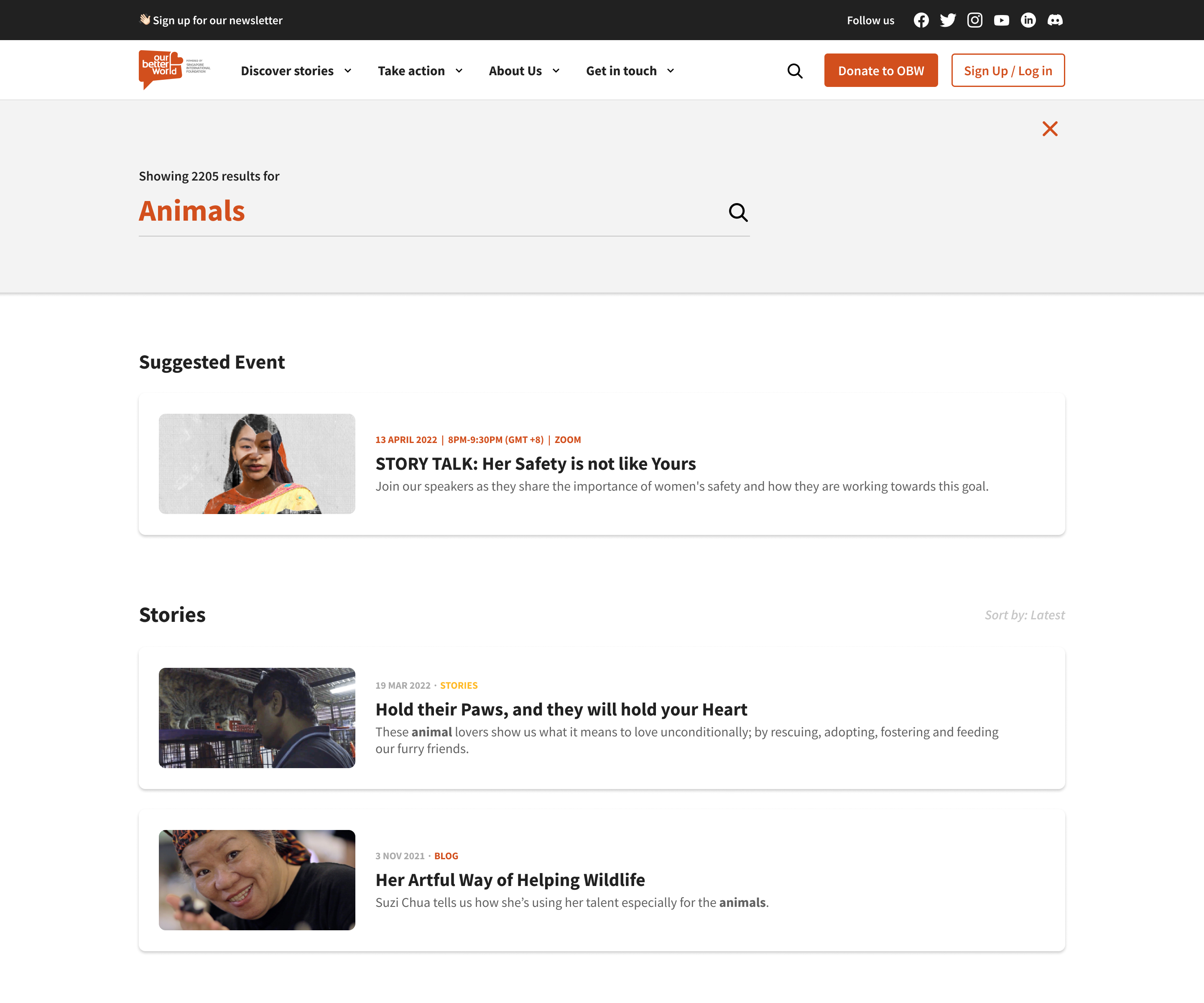
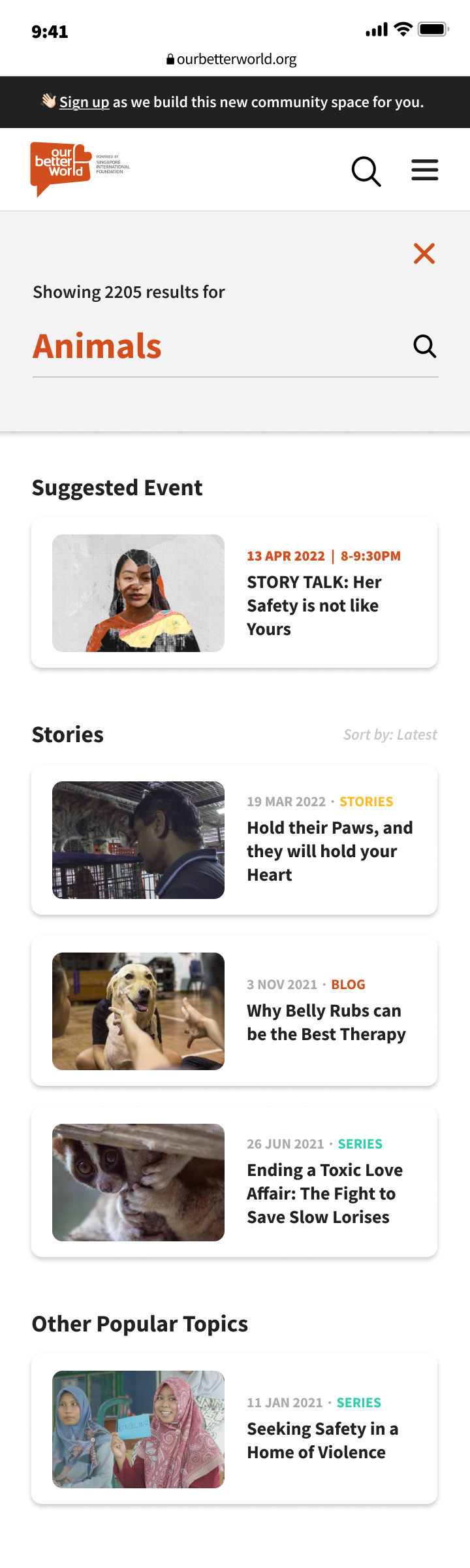
#02 Search results – Filled state
Iteration #03
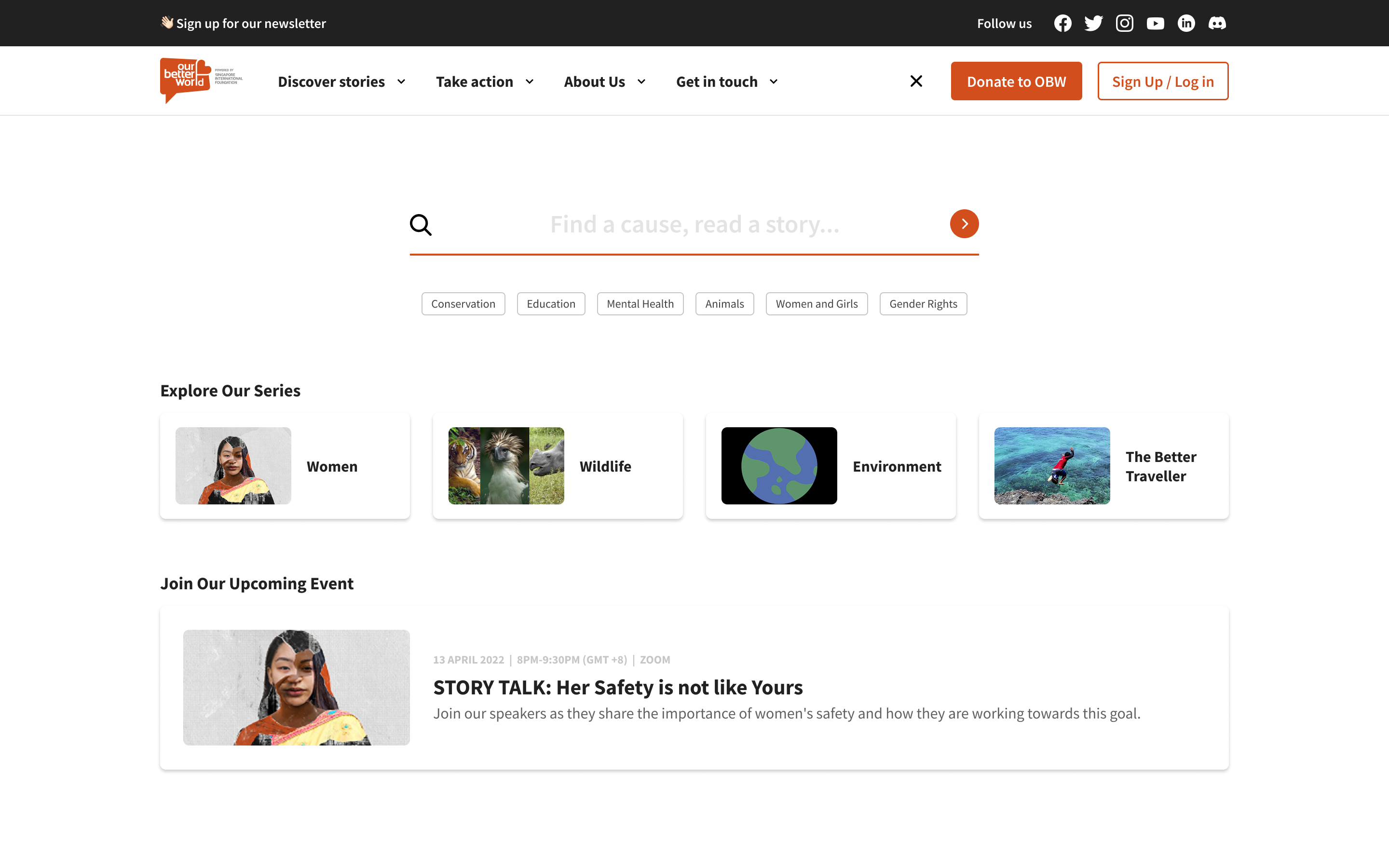
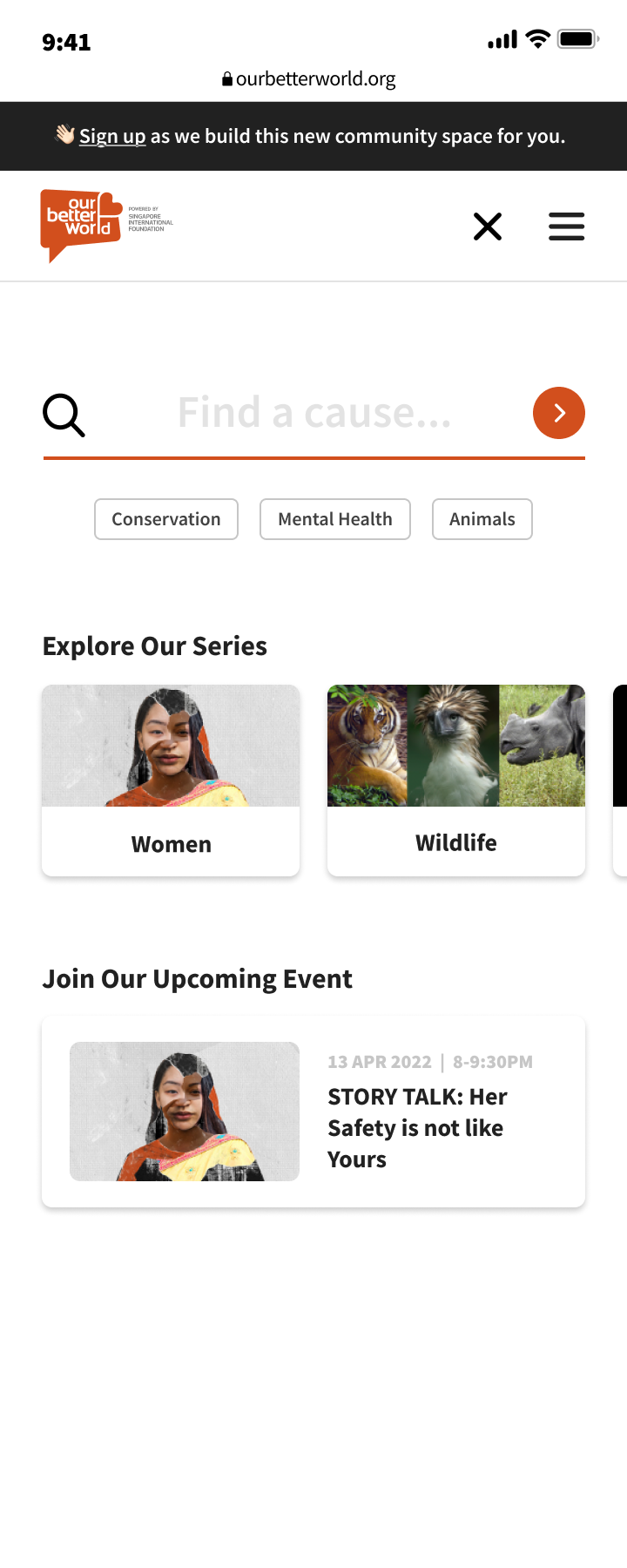
#03 Search results – Default state
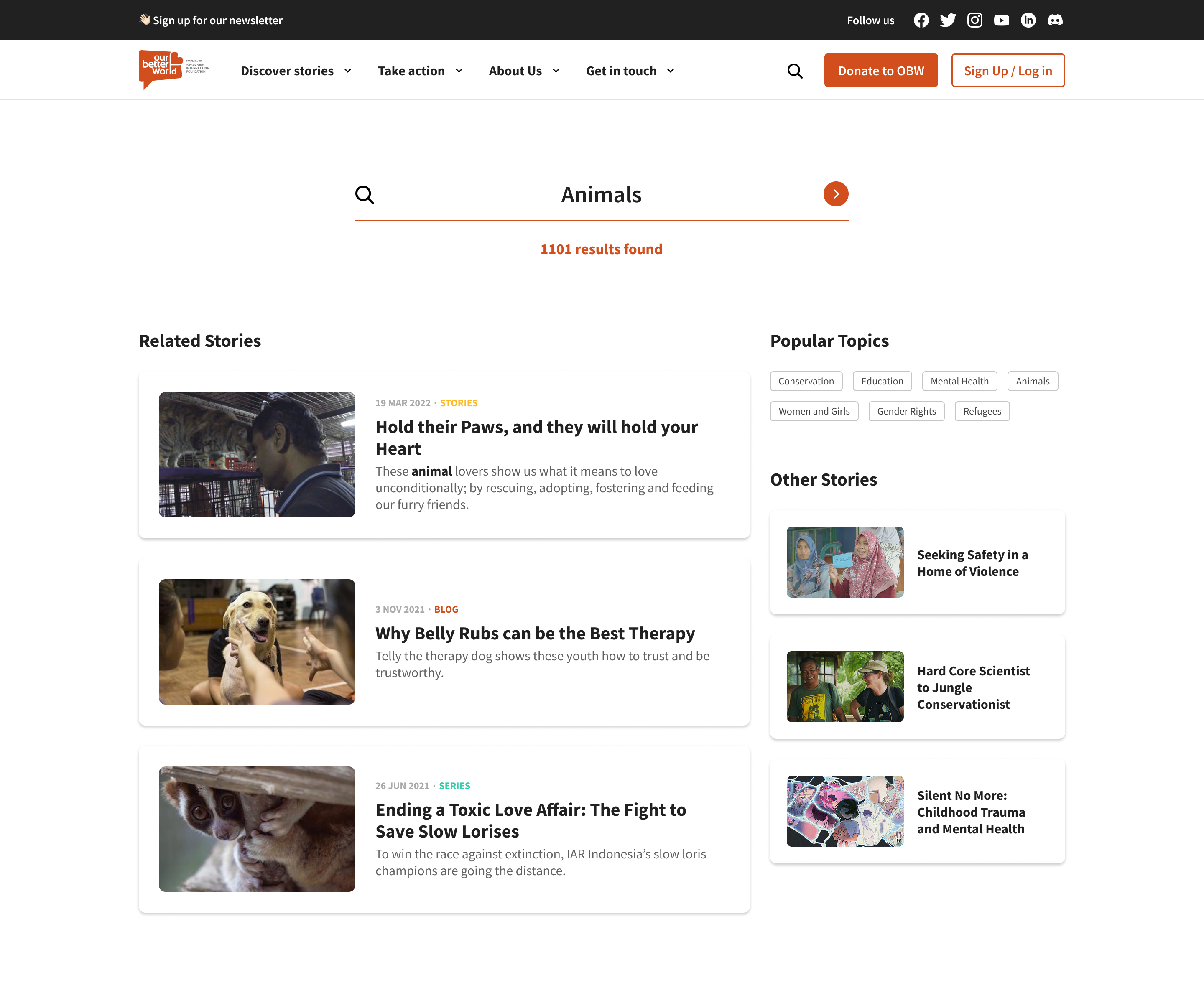
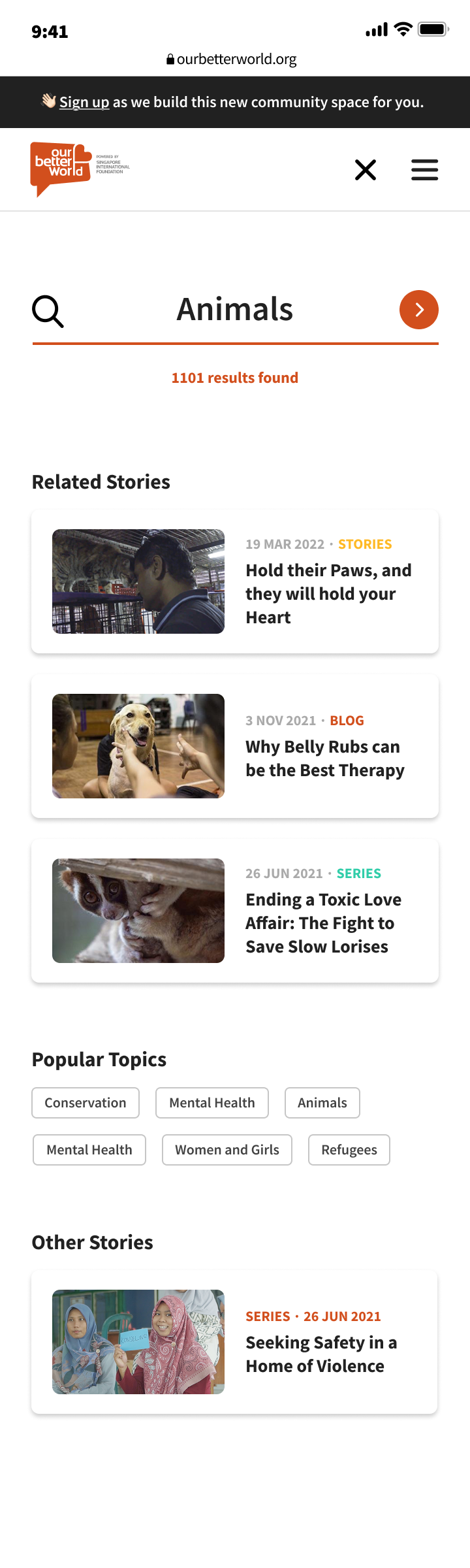
#03 Search results – Filled state
usability testing (moderated)
Objective:
To evaluate whether users can effectively use the search feature to discover relevant content, and assess how well search supports event discovery.
To evaluate whether users can effectively use the search feature to discover relevant content, and assess how well search supports event discovery.
Participants:
3x Friends
(Due to budget constraints, we conducted the usability testing with friends as participants.)
3x Friends
(Due to budget constraints, we conducted the usability testing with friends as participants.)
Tasks:
• Search for a specific blog article
• Browse and discover events using the search feature
• Search for a specific blog article
• Browse and discover events using the search feature
Key findings:
• Colour divider improved visibility of the search feature (Iteration #02)
• Keyword suggestions guided search and exploration (Iteration #03)
• Event cards worked best on default state or when relevant to results
• Colour divider improved visibility of the search feature (Iteration #02)
• Keyword suggestions guided search and exploration (Iteration #03)
• Event cards worked best on default state or when relevant to results
FINAL DESIGNS
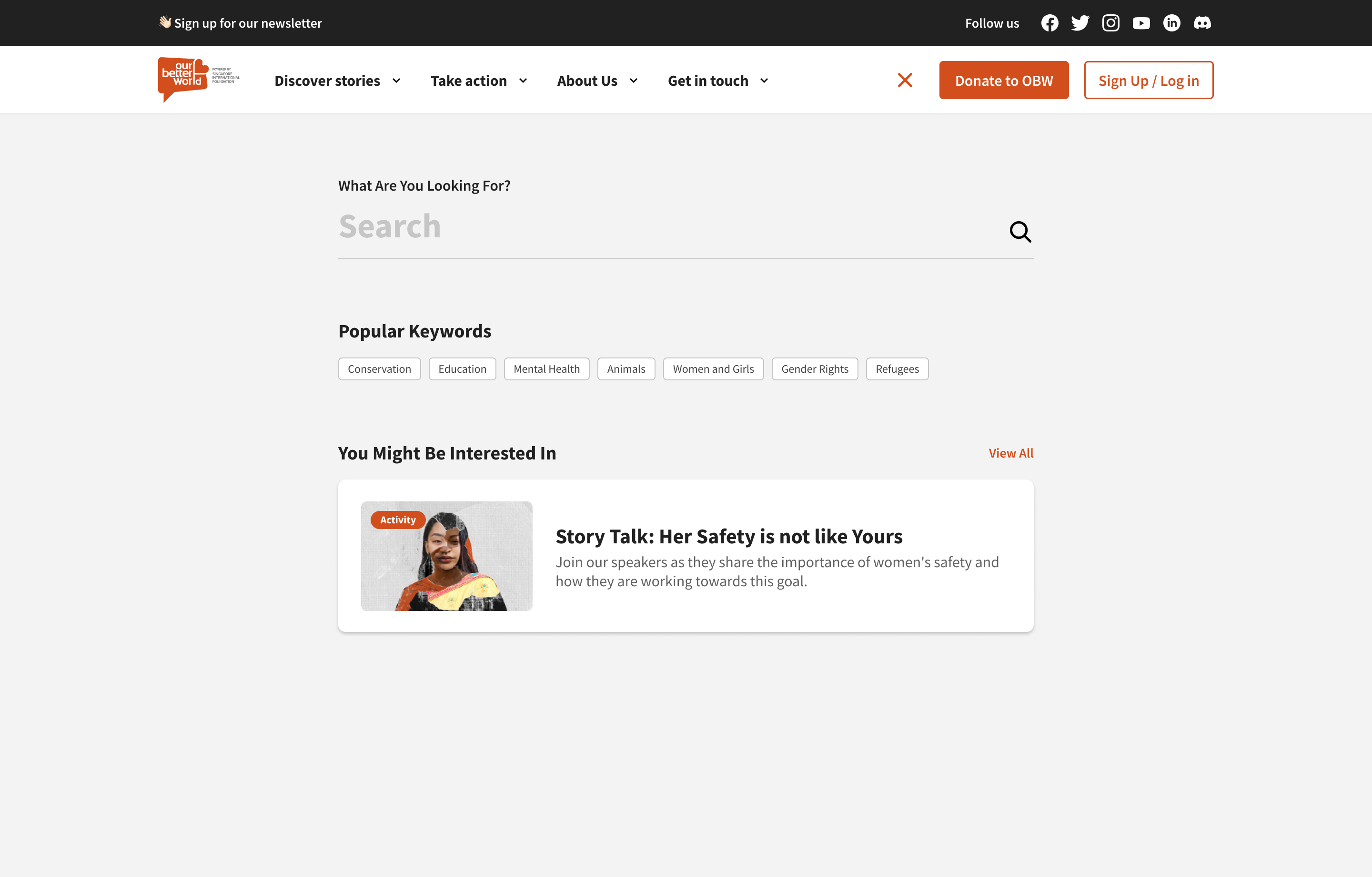
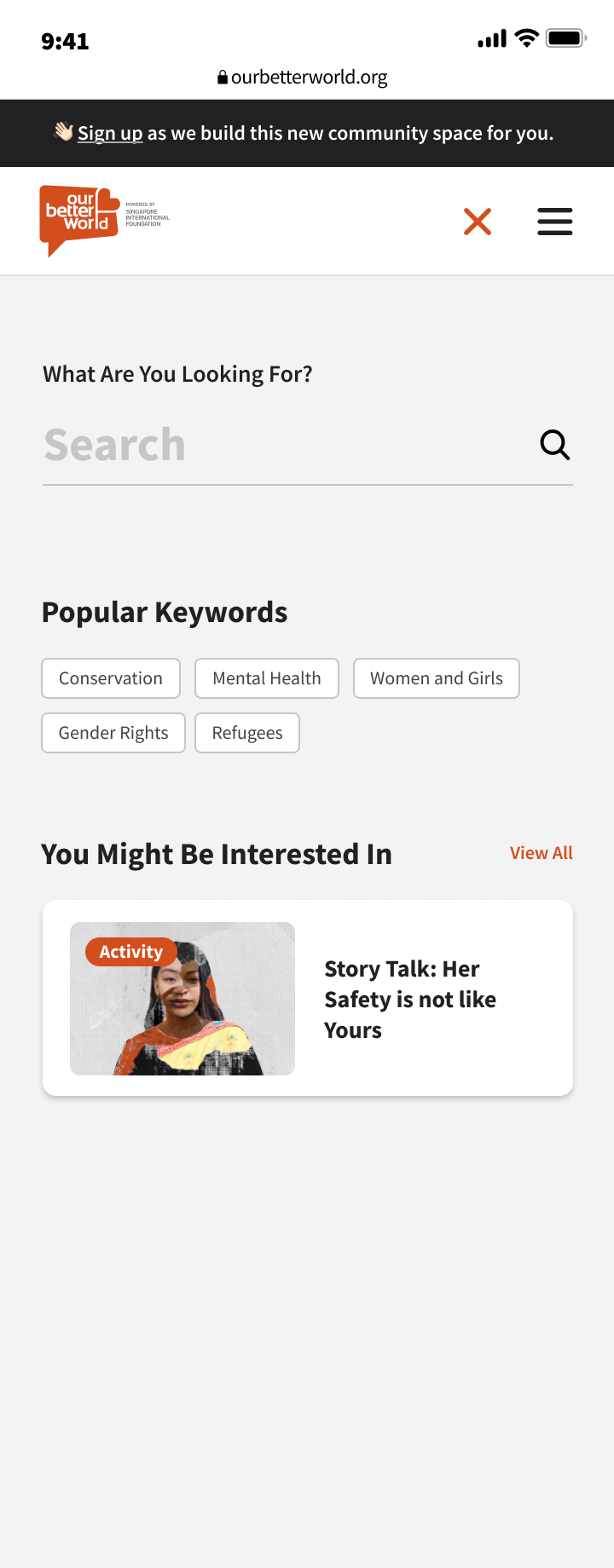
Search results – Default state
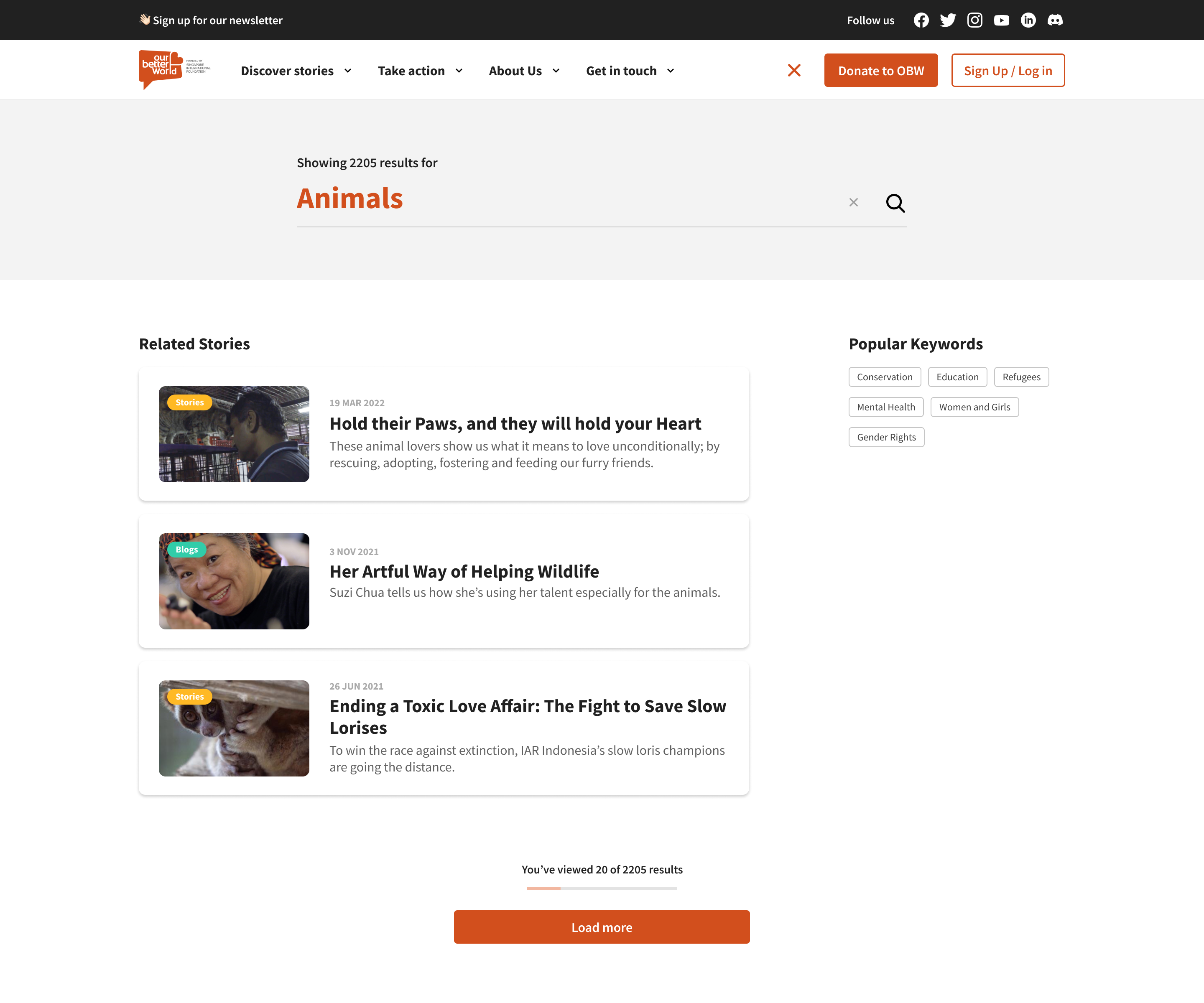
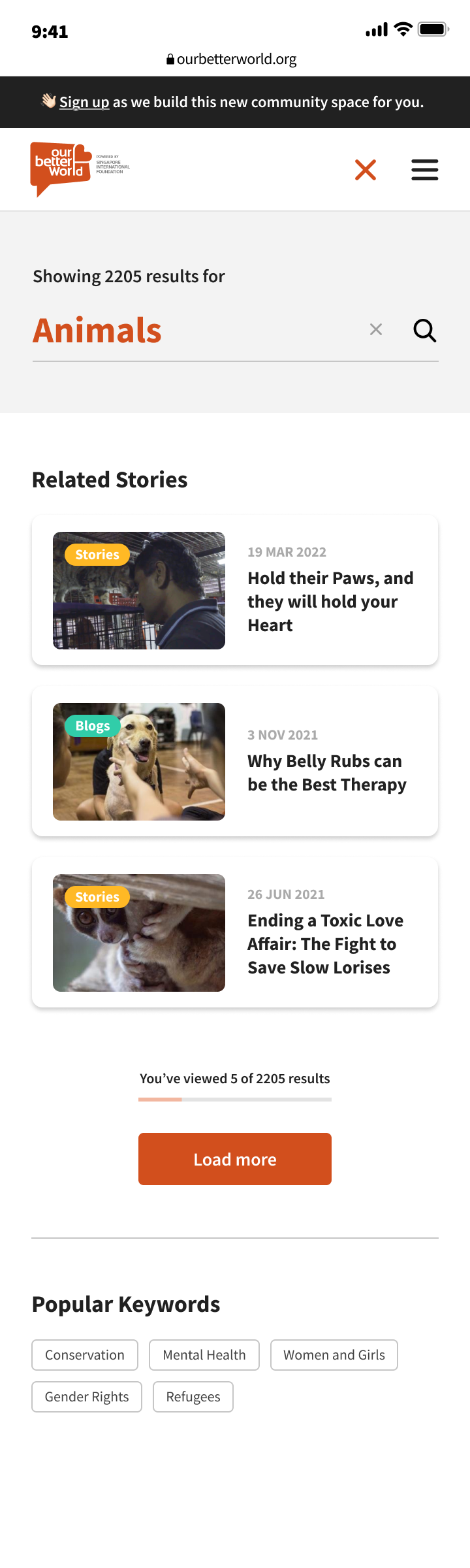
Search results – Filled state
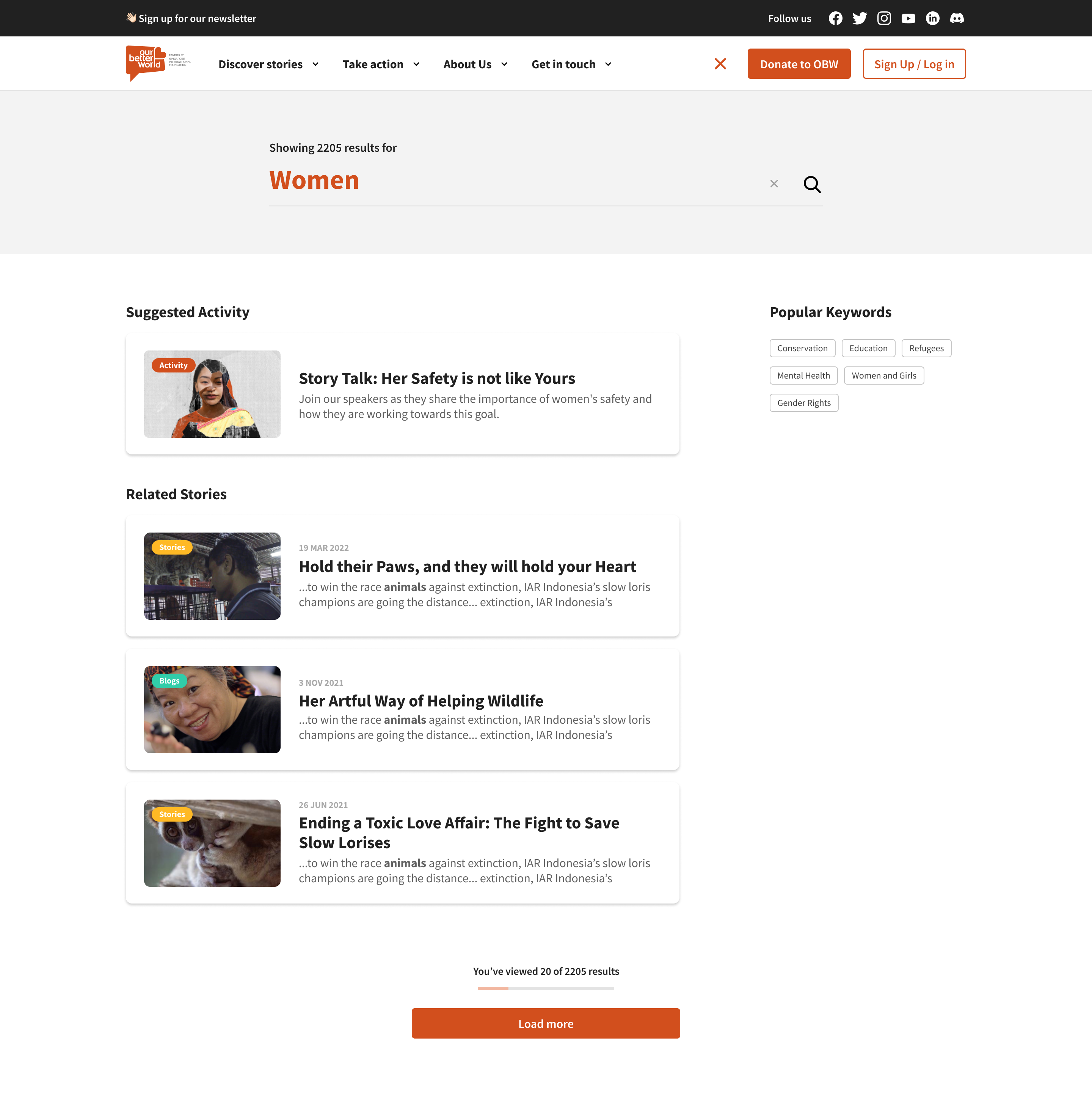
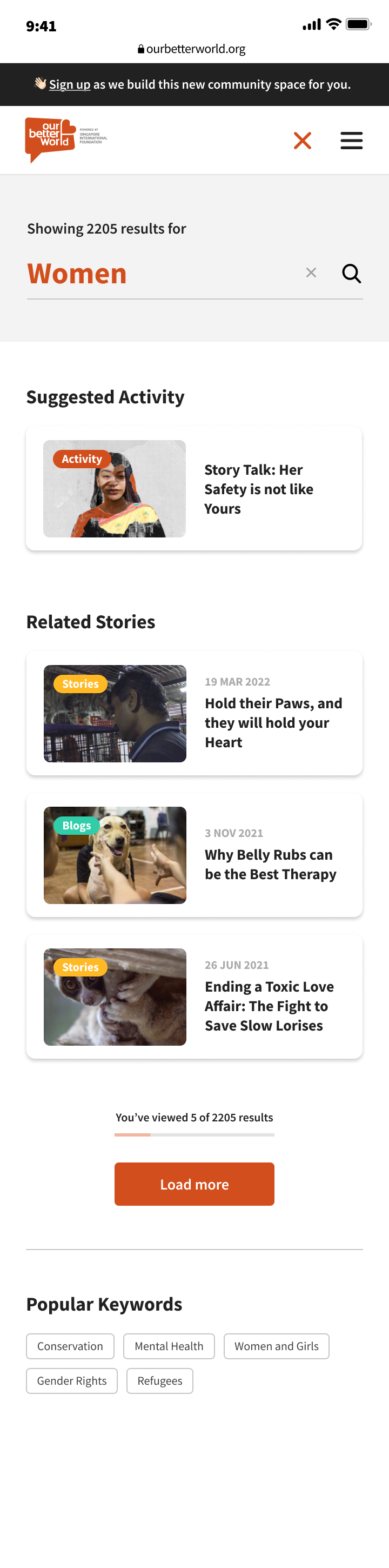
Search results with activity – Filled state
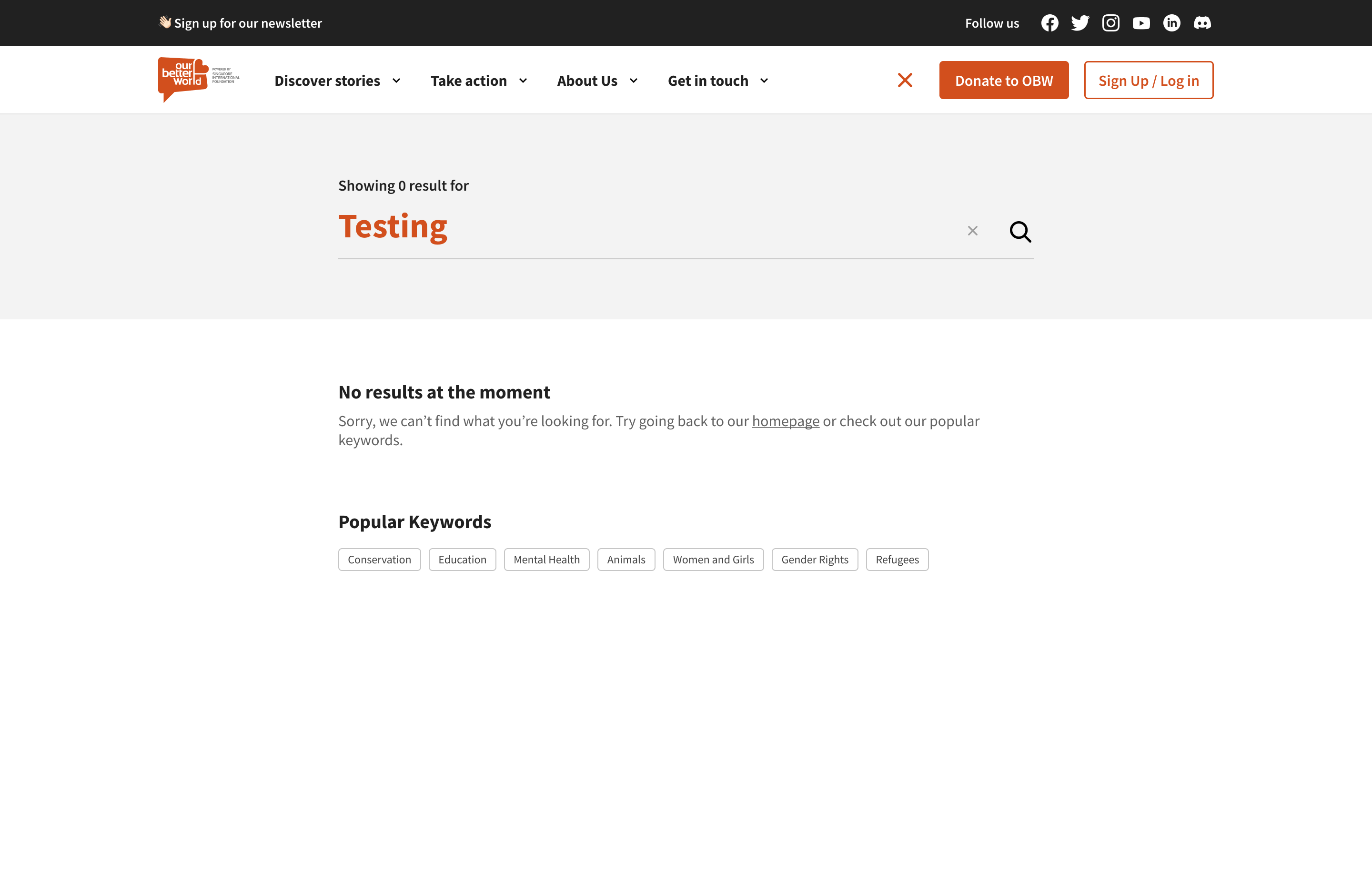
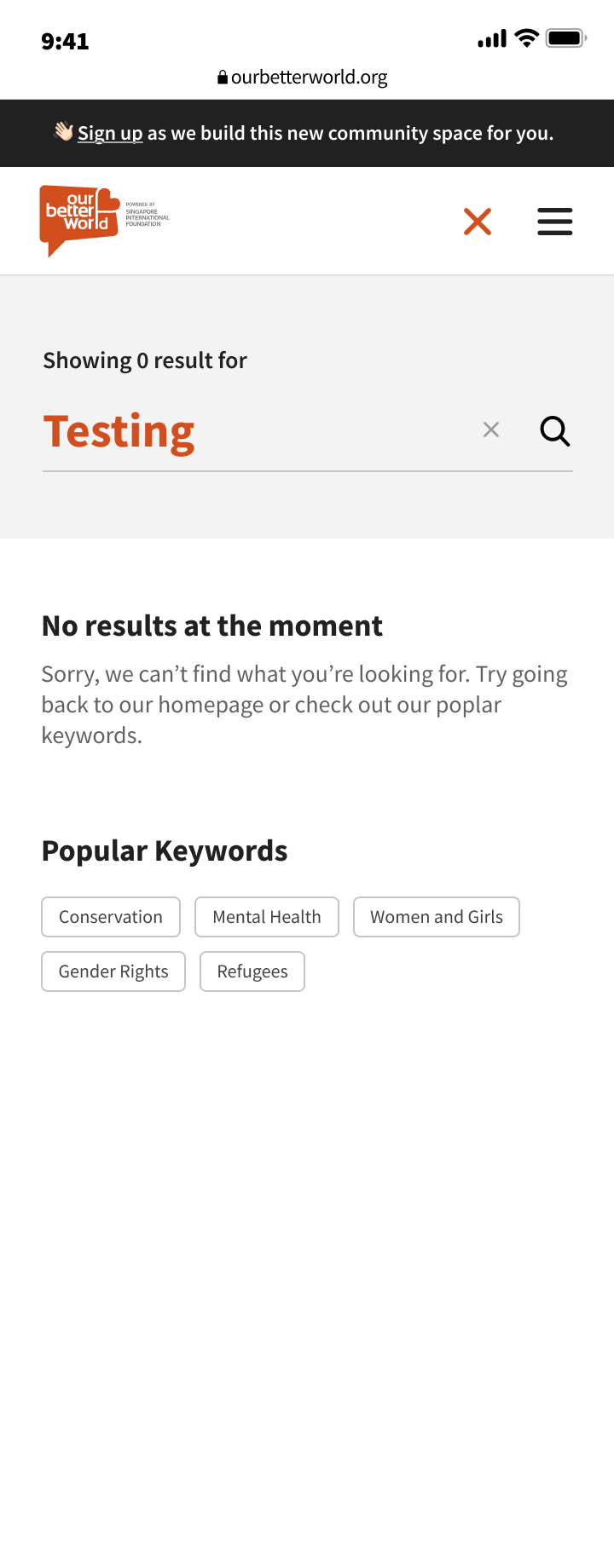
Search results – Empty state
learnings & takeaways
1. Balancing marketing needs with user relevance
While marketers aim to promote events, surfacing them on irrelevant search results can confuse users and make the experience feel overly ad-centric.
2. Guidance reduces cognitive load
Providing keyword suggestions lowers the barrier to entry and helps users initiate and explore the search feature more confidently.
3. Search should support both intent and exploration
Users don’t always arrive with a clear goal, so the experience should cater to both directed search and passive discovery.
While marketers aim to promote events, surfacing them on irrelevant search results can confuse users and make the experience feel overly ad-centric.
2. Guidance reduces cognitive load
Providing keyword suggestions lowers the barrier to entry and helps users initiate and explore the search feature more confidently.
3. Search should support both intent and exploration
Users don’t always arrive with a clear goal, so the experience should cater to both directed search and passive discovery.